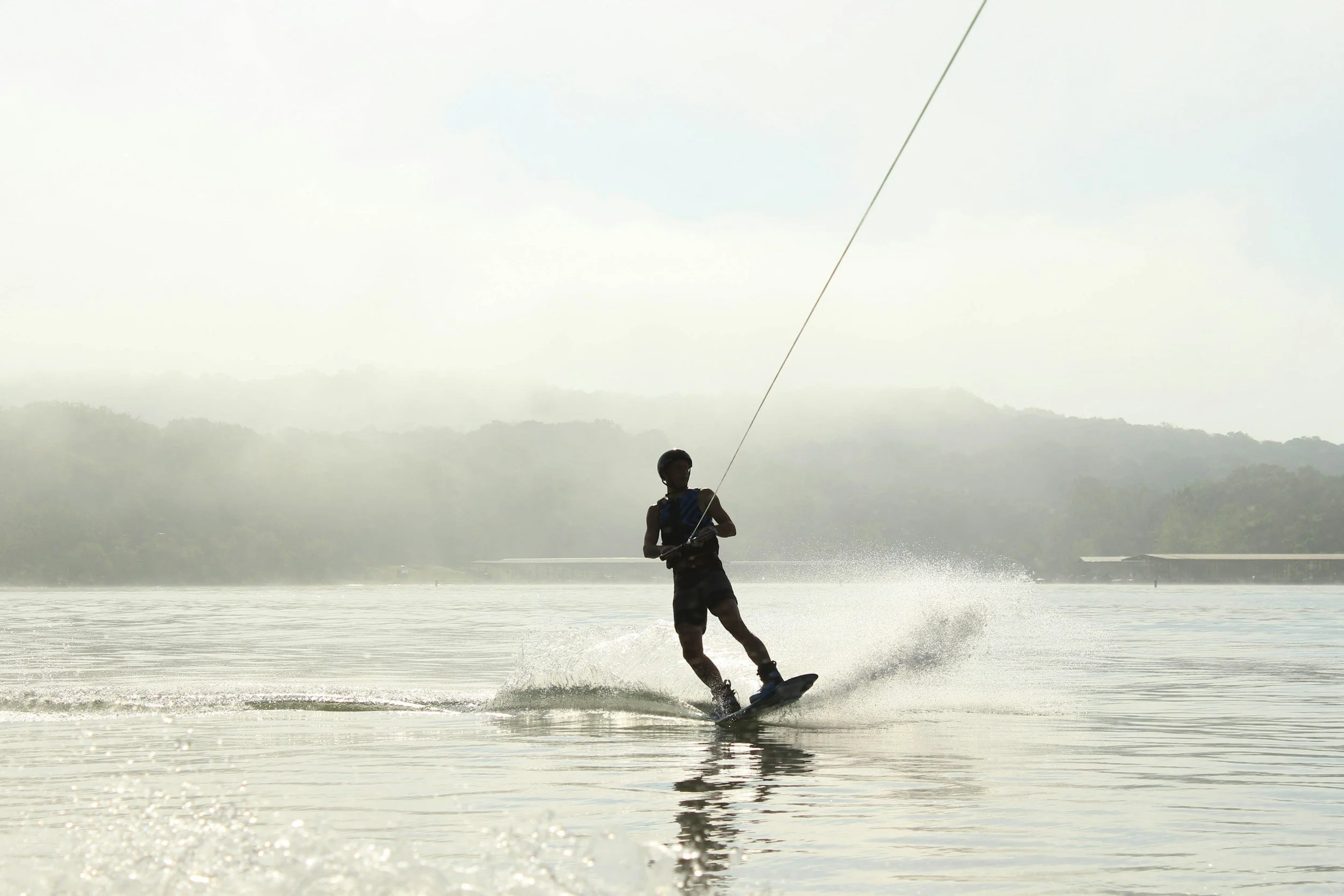
Dedicated to Preserving and Promoting Wake Sports
We Love our Maine water ways and we love to ride. Together We are advancing education, advocacy, and conservation efforts that safeguard the heritage and health of local lakes and our sport.
Our Mission
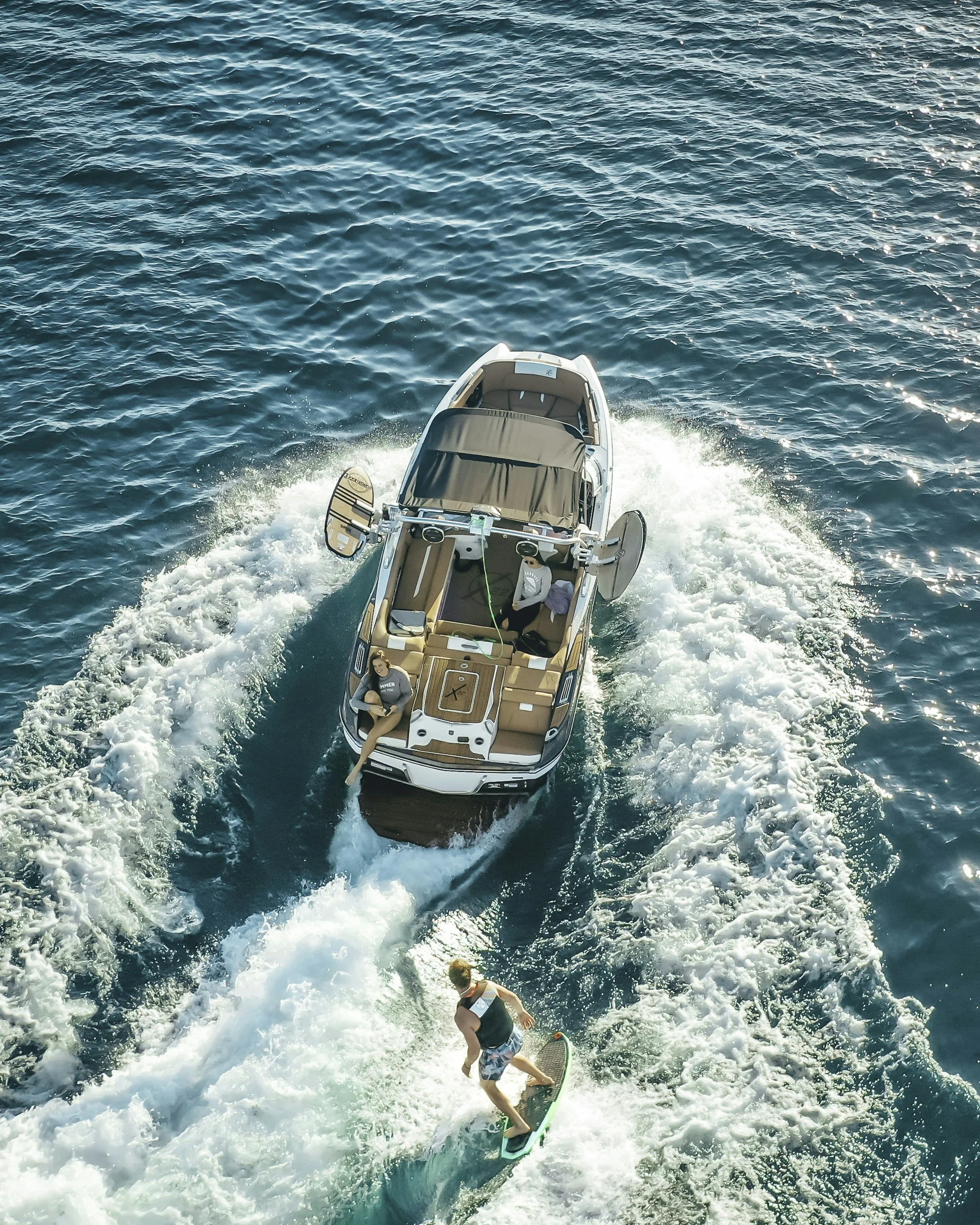
The Maine Wake Sports Coalition is dedicated to preserving the legacy of wake sports while protecting the ecological health of Maine’s lakes and waterways. We advance education, advocacy, and sustainable practices that benefit both aquatic environments and the recreational communities that depend on them.
Our Values
-
MWSC treats lakes and ponds as shared natural assets that must be protected for current and future generations. This means supporting science-based practices that reduce shoreline erosion, protect water quality, and safeguard wildlife habitat—especially in sensitive near-shore zones.
-
The coalition believes wake sports can thrive without compromising lake health or other users’ experiences. It promotes behaviors such as staying a safe distance from shore, operating in adequate depth, limiting repetitive passes in one area, and respecting noise and safety norms.
-
Maine Wake Sports Coalition educates boaters, riders, lake associations, and policymakers about wake sports through events and community outreach. We aim to serve as a trusted source for accurate information on the impacts of wake boats and current laws and regulations. We will partner with local youth camps and adaptive programs to engage the next generation in safe wake practices.
-
Rather than opposing a sport or imposing a regulation outright, the coalition advocates for policies grounded in research that allow widespread wake sports use while minimizing harm.
-
MWSC brings together wake sport enthusiasts, lakefront property owners, lake associations, environmental groups, and industry representatives. Its approach is coalition-based: finding common ground through dialogue, data, and shared interest in healthy, accessible lakes.
-
MWSC works to ensure that wake sports are not banned outright or pushed off Maine’s inland waters and it can be passed down to generations to come.